
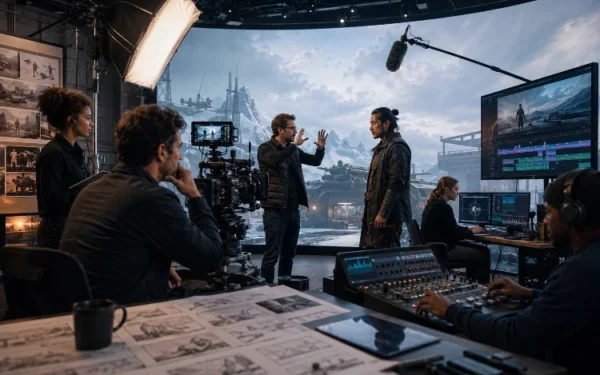
How Movie Franchises Become Global Entertainment Hits
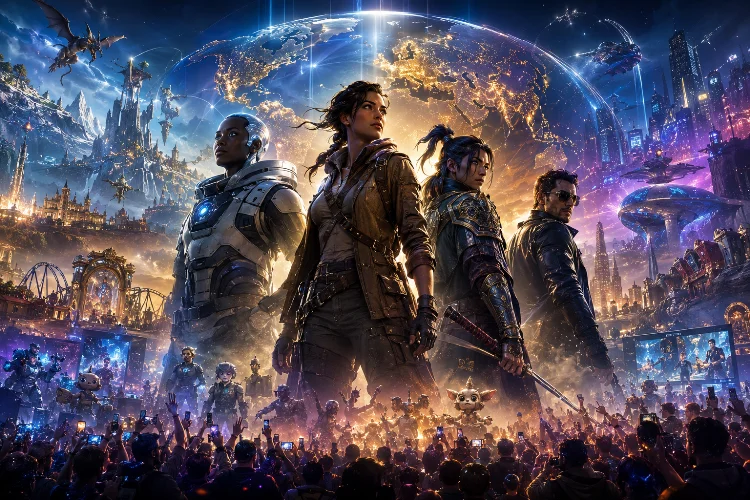
A successful movie can entertain audiences for two hours. A successful franchise can keep them interested for decades. From Marvel and Star Wars to Fast & Furious, Harry Potter, and Jurassic World, some film series grow far beyond their original movies and become recognizable parts of global popular culture.
So, what turns Movie Franchises into Global Entertainment Hits? Big budgets certainly help, but money alone cannot guarantee lasting popularity. The strongest franchises combine memorable characters, expandable worlds, emotional storytelling, international marketing, and loyal fan communities.
They also give audiences more ways to interact with their favorite stories through streaming, games, merchandise, theme parks, and spin-offs. Understanding this formula reveals why some fictional worlds disappear after one sequel while others continue attracting new generations of fans.
1. Everything Starts With a Story Worth Continuing
Before a studio can build a franchise, the first movie needs to give audiences a reason to return. Spectacular action may attract attention, but memorable characters and emotional connections usually provide the foundation for something bigger.
Consider the Marvel Cinematic Universe. Individual heroes such as Iron Man, Thor, and Captain America had their own stories before eventually becoming part of a much larger interconnected narrative.
That approach gave viewers multiple entry points while creating curiosity about what would happen next. By July 2024, Disney reported that Marvel Studios had surpassed $30 billion at the worldwide box office across its films, demonstrating how powerful interconnected storytelling can become at scale.
Characters Matter as Much as the World
Audiences rarely become emotionally attached to a franchise because of fictional locations alone. They usually return because they care about the characters living inside those worlds.
Strong franchises therefore allow characters to evolve. Friendships change, heroes face consequences, villains return, and new generations join the story. That development makes sequels feel like continuations rather than simple copies of the original movie.
2. Successful Franchises Build Expandable Worlds
A great franchise usually has room to grow.
The original story might focus on one character or event, but the fictional universe contains enough history, locations, supporting characters, and unanswered questions to support additional films.
This is why world-building has become so important in modern entertainment. A franchise can eventually expand through prequels, sequels, streaming series, animated projects, games, or stories centered on secondary characters.
However, expansion has to feel meaningful. Audiences can quickly lose interest if every supporting character receives a spin-off without a compelling reason.
The goal is not simply to produce more content. It is to make the fictional universe feel larger without weakening what made it interesting in the first place.
3. Global Appeal Goes Beyond the Domestic Audience
Modern blockbusters are created for an international marketplace. A franchise hoping to become a worldwide phenomenon must connect with viewers across different languages, regions, and cultures.
Universal’s Fast & Furious series is a useful example. The studio says its eleven films have collectively earned more than $7 billion worldwide, turning the saga into one of Universal’s most important long-running properties.
Part of the franchise’s broad appeal comes from themes that are easy to understand across borders: friendship, loyalty, family, competition, and spectacular action.
The importance of international audiences can also be seen in individual blockbuster results. Avengers: Endgame, for instance, earned about $2.8 billion worldwide, with roughly 69% of its total coming from international markets.
For studios, that makes worldwide distribution, localization, regional promotion, and international casting increasingly important parts of franchise planning.
4. Marketing Turns New Releases Into Events
A major franchise film does not simply arrive in cinemas. Months before release, the marketing campaign begins creating anticipation.
Trailers introduce mysteries. Posters reveal characters. Cast interviews generate conversation. Social media encourages fan theories, while premieres and promotional events transform an upcoming film into something audiences feel they should experience immediately.
The effect becomes even stronger when previous installments have created unfinished storylines.
Avengers: Endgame provides an extreme example. Disney reported that the movie earned more than $1.2 billion globally during its opening weekend in 2019, becoming the first movie at the time to cross $1 billion during its worldwide debut.
That level of excitement did not appear overnight. It was built through years of interconnected movies, recognizable characters, cliffhangers, and audience investment.
5. Loyal Fans Become Powerful Promoters
Studios can buy advertising, but passionate fans provide something advertising cannot easily reproduce: organic conversation.
Fans discuss trailers, rank characters, create artwork, attend conventions, produce videos, share memes, collect merchandise, and recommend films to friends. Between releases, those activities can keep a franchise culturally visible.
Social platforms have made this relationship even more important. A teaser can generate thousands of reactions within minutes, while casting announcements and trailers can dominate entertainment conversations long before the finished film reaches cinemas.
This creates a useful cycle. New content gives fans something to discuss, while fan activity keeps the franchise visible enough to attract additional viewers.
6. Franchises Expand Beyond Movie Theaters
The biggest entertainment properties eventually become much more than movies.
Merchandise allows fans to own part of the experience. Streaming series keep fictional universes active between theatrical releases. Video games let audiences participate in those worlds directly, while theme-park attractions turn fictional environments into physical experiences.
Disney describes consumer products, publishing, gaming, parks, and other experiences as ways audiences can continue connecting with franchises such as Marvel and Star Wars beyond the original stories.
This expansion also gives studios multiple ways to keep a brand relevant.
A child might discover a franchise through a toy or animated series rather than its original movie. Years later, that same person may become a theatrical audience member, gamer, collector, or theme-park visitor.
7. Successful Franchises Know When to Evolve
Longevity creates another challenge: audiences eventually become familiar with the formula.
A series that repeats exactly the same story can become predictable. Successful franchises therefore need a balance between familiarity and surprise.
The familiar elements reassure fans that they are returning to a world they love. New characters, locations, conflicts, filmmaking styles, and technologies keep that world from feeling outdated.
Studios also need to understand changing audience expectations. A franchise created 20 years ago may need different storytelling approaches today while still preserving its core identity.
That ability to evolve is often what separates a short-lived series from a genuine entertainment institution.
Turning Movie Franchises into Global Entertainment Hits requires much more than producing sequel after sequel. Successful franchises begin with memorable stories and characters, then grow through world-building, international distribution, strategic marketing, passionate fandoms, and expansion into other forms of entertainment.
The strongest properties also understand how to evolve without losing the identity audiences originally loved. That combination can transform one successful movie into a cultural brand that survives for generations.
Ralated Posts