
Behind the Scenes of Modern Movie Production: How Films Are Made
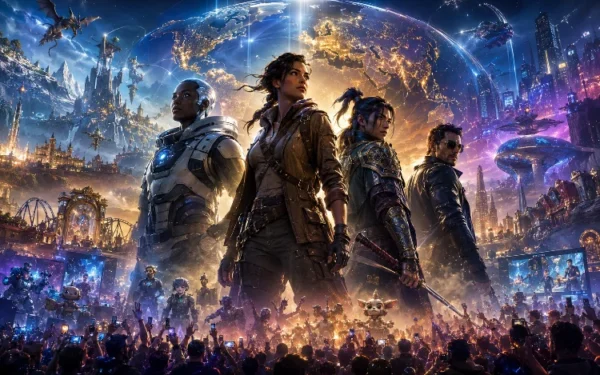
Movies can make impossible things feel completely real. A city can collapse, actors can explore another planet, and creatures that never existed can appear to interact naturally with real people. Yet what audiences see on screen represents only a small part of the work happening during production.
Going Behind the Scenes of Modern Movie Production reveals a complicated process involving writers, directors, producers, actors, cinematographers, designers, editors, visual-effects artists, sound teams, and hundreds of other specialists.
Technology has transformed many parts of filmmaking, but careful planning and creative collaboration remain just as important. From the first storyboard to the final sound mix, every department contributes something to the illusion audiences eventually experience in cinemas or at home.
1. Pre-Production Builds the Foundation
Long before anyone calls “action,” filmmakers spend considerable time preparing the project.
Pre-production can include finalizing the script, breaking scenes into production requirements, creating storyboards, building a shooting schedule, hiring cast and crew, scouting locations, securing permits, designing sets, and organizing equipment. StudioBinder describes this stage as the planning and execution of the tasks required before principal photography begins.
Turning a Script Into a Shooting Plan
A screenplay might simply say that two characters are talking inside a crowded restaurant. For the production team, that short scene creates dozens of questions.
Where will it be filmed? How many background actors are needed? What food appears on the tables? Which costumes should everyone wear? Where will the lights and cameras go?
Solving these details before filming can prevent expensive problems later. Modern productions also use digital scheduling, shot-planning, and visualization tools to coordinate complicated scenes.
2. The Movie Set Is Controlled Chaos
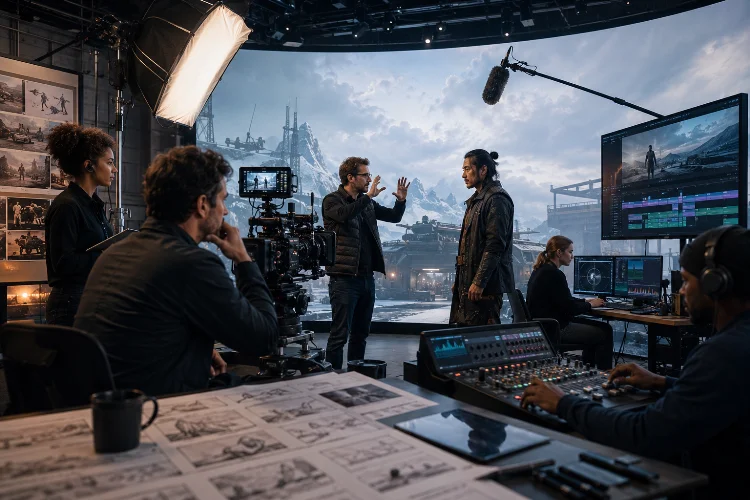
Production is the phase most people imagine when thinking about filmmaking: cameras rolling, actors performing, lights surrounding the set, and the director watching a monitor.
Behind the camera, however, many departments are working simultaneously.
The cinematography team manages cameras, lenses, framing, exposure, and movement. Lighting crews shape the environment, while production designers, costume departments, makeup artists, prop teams, stunt coordinators, and assistant directors handle their own responsibilities.
Digital cinema cameras have also made workflows increasingly sophisticated. ARRI, for example, provides tools for filmmakers to plan camera setups, lens coverage, frame lines, color workflows, and other technical details before and during production.
The goal is not simply to capture attractive images. Every visual decision should support the mood and story.
3. Virtual Production Is Changing Film Sets
One of the biggest technological developments in contemporary filmmaking is virtual production.
Instead of shooting every environment on location or relying entirely on traditional green screens, filmmakers can use large LED walls displaying digital environments. These backgrounds can respond to camera movement in real time, making virtual locations appear to have realistic perspective and depth.
Industrial Light & Magic developed its StageCraft virtual production system using LED screens and real-time technology. ILM says the workflow allows filmmakers to capture complex visual-effects imagery in-camera while displaying dynamic digital environments around the performers.
Why LED Stages Matter
Imagine filming a sunset scene.
On a traditional outdoor shoot, the crew may have only a short period when the natural light looks right. On an LED stage, a digital sunset can potentially remain consistent while filmmakers adjust cameras, performances, and lighting.
Virtual production does not eliminate physical sets or location filming. Instead, it gives filmmakers another creative option for scenes that would otherwise be difficult, expensive, or impossible to capture.
4. Visual Effects Begin Earlier Than You Think
People often assume visual effects are simply added after shooting finishes. Modern productions can involve VFX planning much earlier.
Complex sequences may require previsualization before principal photography. Filmmakers can create rough digital versions of scenes to experiment with camera angles, character positions, environments, and action before expensive shooting begins.
Production data can also become valuable during post-production. On The Wandering Earth, ARRI described how camera data and HDRI references from the set helped the VFX department while live grading assisted the production workflow.
This collaboration helps digital elements match real photography more convincingly.
Good visual effects are therefore not just about creating spectacular explosions or monsters. Sometimes the best VFX work involves environments, set extensions, cleanup, or subtle details audiences never realize were digital.
5. Editing Rebuilds the Movie
Once footage has been captured, the movie effectively gets built again in the editing room.
Editors review performances and camera angles, select takes, rearrange shots, establish pacing, and shape emotional moments. A few seconds removed from a scene can make a joke land better or make an action sequence feel dramatically faster.
Post-production also involves far more than editing pictures. Adobe describes the process as assembling and refining footage before combining elements such as color, sound, graphics, and visual effects into the finished production.
The finished movie may therefore feel significantly different from the raw material captured on set.
6. Color Gives the Film Its Final Visual Mood
Cameras usually capture images with enough information to give filmmakers flexibility during post-production. Colorists then help create the final look.
A warm palette might make a scene feel nostalgic or romantic, while colder tones can create isolation or tension. Different locations can also be balanced so scenes photographed days or months apart still feel visually consistent.
Modern digital cinematography gives production teams considerable control over this process. ARRI’s workflows, for example, include color-management tools and LogC formats designed to carry image information through shooting and grading.
Color grading may seem subtle compared with visual effects, but it can dramatically influence how audiences emotionally interpret an image.
7. Sound Creates Half the Experience
A movie without carefully designed audio can feel surprisingly empty.
Post-production sound teams work with dialogue, ambient noise, Foley effects, music, explosions, footsteps, vehicles, weather, and countless small details. Some sounds recorded during filming remain in the final movie, while others are cleaned, replaced, enhanced, or completely recreated.
Modern formats can also position sounds around the audience. Dolby explains that Dolby Atmos allows creators to place and move audio through a cinema environment, including overhead, expanding the possibilities available during sound design and mixing.
That means a helicopter can seem to travel above the viewer while rain surrounds the room.
When sound design works well, audiences usually stop thinking about the technology and simply feel more immersed in the story.
Looking Behind the Scenes of Modern Movie Production shows just how collaborative filmmaking really is. A finished movie combines months—or sometimes years—of planning, shooting, design, technology, editing, visual effects, color work, and audio production.
New tools such as LED stages, real-time digital environments, sophisticated cameras, and immersive sound are changing how filmmakers work, but technology alone does not create memorable cinema. Storytelling and creative teamwork remain at the center of the process.
Ralated Posts