
How Social Media Shapes Celebrity Reputation in the Modern Era
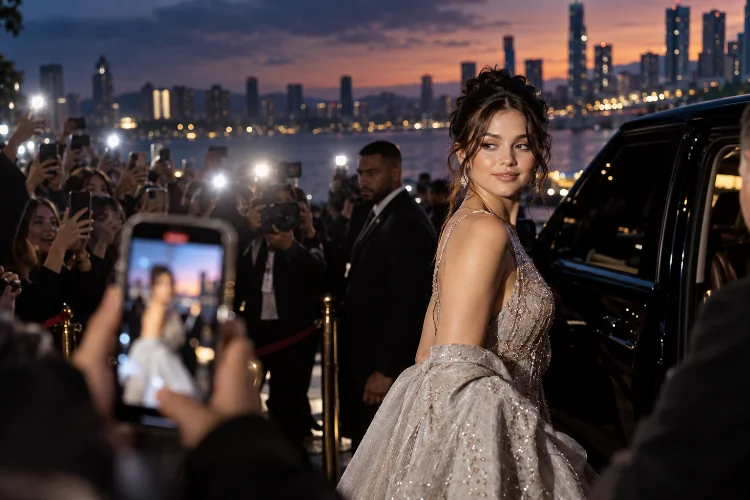
A celebrity once needed a television interview, magazine profile, or press conference to speak directly to a large audience. Today, one Instagram Story, TikTok video, or post on X can reach millions of people before a publicist has even opened their email.
That shift has completely changed how fame works.
Understanding the influence of social media on celebrity reputation means recognizing that public image is no longer controlled mainly by studios, record labels, newspapers, or entertainment journalists.
Celebrities can build relationships with fans directly, but audiences can also react, criticize, remix, screenshot, and redistribute everything they say.
The result is a much faster reputation cycle. A casual behind-the-scenes video can make a famous person seem surprisingly relatable. A poorly judged comment can become a global controversy before the end of the day.
Social media therefore gives celebrities enormous communication power while also reducing their control over how that communication is interpreted.
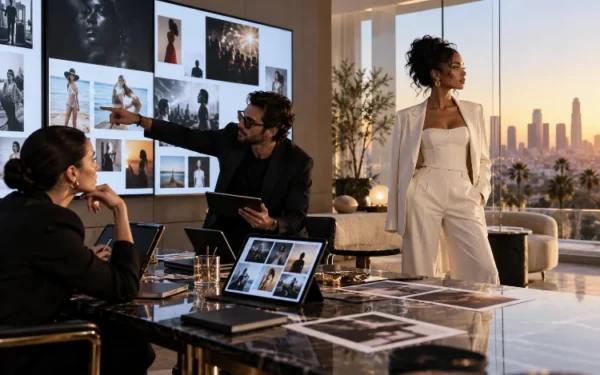
In modern entertainment, reputation is no longer something managed occasionally during promotional campaigns. It is being shaped almost constantly.
Social Media Turned Reputation Into a Real-Time Conversation
Traditional celebrity publicity was usually highly controlled.
Actors appeared in scheduled interviews, musicians spoke through carefully prepared press releases, and publicists helped decide which parts of a celebrity’s personality reached the public.
Social platforms changed that structure.
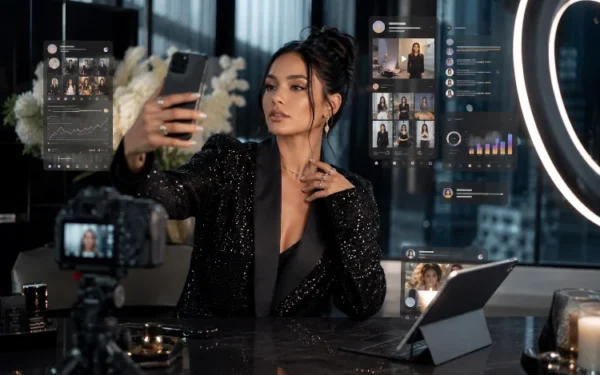
Celebrities can now respond to fans, explain creative decisions, promote projects, share personal moments, and comment on events without waiting for traditional media.
That direct connection gives them more control over their story.
Harvard Business Review makes an important distinction between reputation and personal branding: reputation is how people already perceive you, while personal branding involves intentionally influencing the qualities people associate with you.
For celebrities, social media connects those two concepts almost every day.
A musician who regularly shares studio footage may develop a reputation for being deeply involved in production. An actor posting humorous backstage content might gradually become known for being approachable and funny.
Small posts eventually create a larger public identity.
Direct Access Can Make Celebrities Feel More Human
One reason social media is so powerful is that it removes some of the distance between famous people and their audiences.
A polished movie premiere feels obviously professional. A celebrity filming themselves cooking badly at home feels different.
That informality can create authencity.
Fans see moments that appear less filtered by studios, magazines, or marketing departments. Even when the content is professionally planned, its casual presentation can make the celebrity seem more accessible.
This has major reputation benefits.
Someone known mainly as an intimidating action star might show a playful personality online. A musician with an extremely polished stage image might share songwriting mistakes or unfinished demos.
Social media lets celebrities create a more complicated identity than their entertainment work alone can provide.
But there is an important trade-off: the more audiences feel they know someone personally, the more strongly they may react when that person behaves in an unexpected way.
Parasocial Relationships Raise the Emotional Stakes
That reaction can partly be explained through parasocial relationships.
The American Psychological Association defines a parasocial relationship as a one-sided emotional connection with someone such as a celebrity, performer, media figure, or influencer.
These relationships can involve feelings of familiarity, trust, and intimacy even though the celebrity does not personally know the fan.
Social media can make these relationships feel even closer.
Fans may see a celebrity’s breakfast, dog, vacation, rehearsal process, family celebrations, and emotional thoughts alongside posts from their actual friends.
That creates unusual psychological proximity.
The benefit is loyalty. Fans who feel emotionally connected may defend an artist, buy concert tickets, watch new projects, or support business ventures.
The risk appears when expectations are broken.
If followers have built an image of someone as kind, socially aware, honest, or relatable, behavior contradicting that image can feel less like ordinary celebrity news and more like personal disappointment.
Reputation becomes emotionally charged.
Viral Backlash Can Grow Faster Than a Traditional PR Crisis
Before social media, entertainment controversies usually passed through journalists and editors before reaching mass audiences.
Today, audiences can create the news cycle themselves.
One clip can be reposted thousands of times. A hashtag can organize criticism. Old interviews can suddenly resurface, while screenshots preserve deleted posts long after the original content disappears.
This dramatically increases visiblity during a controversy.
The speed also removes context.
A ten-second video may spread without the conversation that came before it. Sarcasm may be interpreted literally. Different online communities may assign completely different meanings to the same comment.
This means celebrity reputation is increasingly influenced not only by what someone actually posts but also by how other users frame and redistribute it.
Public criticism can also become extremely concentrated on social networks. Pew Research Center found that among U.S. adults who had recently experienced online harassment, three-quarters said their most recent experience occurred on social media.
For public figures with enormous audiences, that amplification can be even more intense.
Misinformation Makes Reputation Harder to Control
Celebrities do not always create their own reputation problems.
Sometimes the damaging information is misleading, manipulated, or completely false.
A fake quote can circulate through screenshots. Old photographs can receive new captions. Edited videos may remove context, while AI-generated images and audio make it increasingly difficult for casual users to immediately identify authentic material.
Research highlighted by MIT found that false news on Twitter spread farther, faster, deeper, and more broadly than truthful information in the dataset researchers examined.
That creates an obvious problem for famous people.
A false claim may reach millions before a correction reaches the same audience.
By the time representatives publish a statement, the original story may already have been converted into memes, reaction videos, headlines, and online arguments.
Correcting misinfomation therefore requires more than simply saying something is untrue. Celebrities and their teams increasingly need fast communication, credible evidence, and consistent messaging across multiple platforms.
Social Media Also Changes Who Shapes Public Opinion
Celebrities once depended heavily on entertainment journalists to influence how audiences perceived them.
That power is now distributed across a much larger network.
Fans, creators, commentators, podcast hosts, meme accounts, influencers, and ordinary users can all participate in building – or damaging – a celebrity narrative.
Pew Research Center found that 21% of U.S. adults regularly got news from social media news influencers in a 2024 survey. Among adults aged 18 to 29, the figure rose to 37%.
Those numbers are about news influencers rather than entertainment fandom specifically, but they illustrate a much broader shift: people increasingly receive information through personalities and accounts operating outside traditional media organizations.
For celebrities, this means a reputation may be influenced by thousands of decentralized commentators.
There is no single journalist to convince and no single headline to correct.
Public perception becomes a network.
Brand Partnerships Make Reputation Financially Valuable
Celebrity reputation is not only important for popularity. It has direct financial consequences.
Companies choose celebrity ambassadors partly because audiences already associate those people with certain qualities.
An athlete may represent discipline. A singer may represent youth culture. An actor might represent luxury, humor, or sophistication.
Social media makes those associations commercially measurable through followers, views, engagement, and audience demographics.
But sponsored posts also introduce questions of trust.
The U.S. Federal Trade Commission states that influencers should clearly disclose material relationships with brands when making endorsements. The agency has specifically emphasized that followers should be able to recognize when content is sponsored.
Transparency matters because undisclosed advertising can weaken the credibility that makes celebrity endorsements valuable in the first place.
If followers begin believing that every recommendation is simply a hidden advertisement, trust can disappear quickly.
A good reputation therefore has real economic value.
Crisis Responses Can Matter as Much as the Original Mistake
Social media can create reputation crises, but it can also provide the fastest way to respond to them.
Celebrities no longer necessarily need to wait for a newspaper interview to explain what happened.
They can publish a written statement, record a video, answer questions, provide evidence, or apologize directly to their audience.
The quality of that response matters.
A vague apology may make people more frustrated. Deleting criticism without explanation can sometimes create additional suspicion. Becoming defensive may turn a relatively small controversy into a much larger one.
A stronger response usually acknowledges the specific issue rather than apologizing simply because people were offended.
Timing matters too.
Responding immediately without understanding the situation can create new mistakes, while staying silent for too long allows other people to define the narrative.
Modern reputation management therefore requires a difficult balance between speed and accuracy.
Long-Term Reputation Requires Consistency, Not Perfection
Trying to appear flawless online is rarely sustainable.
Celebrities post across multiple platforms for years, sometimes decades. Eventually, opinions change, mistakes happen, and audiences evolve.
The stronger strategy is usually consistancy rather than perfection.
A celebrity whose online behavior generally matches their public values has more reputation resilience when something goes wrong. Fans can judge one mistake against years of previous behavior instead of having only a carefully manufactured image to consider.
This also explains why authenticity has become such an important part of digital celebrity culture.
People do not necessarily expect famous individuals to be perfect. They do expect some relationship between the person presented online and the person they believe exists behind the account.
When that relationship feels believable, social media can strengthen a career.
When it feels manufactured or misleading, the same platforms can expose the gap surprisingly quickly.
Social media has transformed celebrity reputation from a carefully managed publicity exercise into an ongoing conversation involving stars, fans, critics, influencers, brands, and algorithms.
Direct communication can build loyalty, strengthen parasocial connections, and help celebrities control their own stories. At the same time, viral backlash, old posts, misinformation, commercial partnerships, and constant public scrutiny create entirely new risks.
The most resilient celebrities understand that reputation is built gradually rather than through one perfectly designed post.
Next time a celebrity suddenly becomes praised or criticized online, look beyond the trending hashtag. Check the original source, notice how the story changed as it spread, and consider who is shaping the narrative. Social media rarely reflects reputation – it actively helps create it.
Ralated Posts