Celebrity Fame and Fan Communities: How the Relationship Shapes Culture

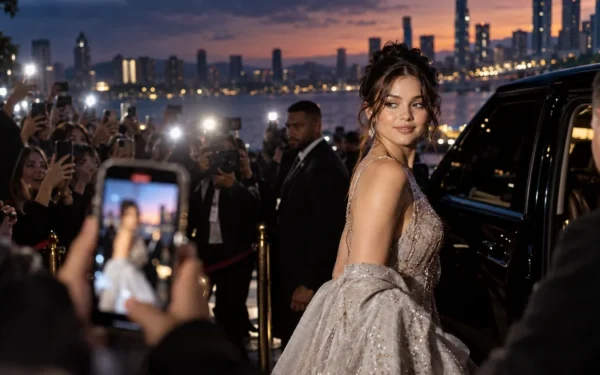
Celebrity fame has never existed without fans, but the relationship looks very different today.
A few decades ago, fans might join an official club, buy magazines, send letters, or meet other supporters at concerts. Now they can spend every day inside digital communities dedicated to the people they admire.
TikTok edits, Reddit discussions, Discord servers, streaming campaigns, fan theories, reaction videos, memes, and group chats have transformed fandom into something active rather than passive.
Exploring the relationship between celebrity fame and fan communities reveals a surprisingly powerful cycle.
Celebrities give people music, films, performances, personalities, and stories to connect with. Fans then amplify those things through conversation, creativity, purchases, recommendations, and organized online activity.
In some cases, the community becomes almost as recognizable as the celebrity. Names such as Swifties or other major fandom identities can develop their own traditions, language, humor, and social rules.
Modern fame, therefore, is not built only by celebrities. It is increasingly co-created by the communities surrounding them.
Fan Communities Turn Individual Interest Into Collective Identity
There is an important difference between liking a celebrity and participating in a fandom.
Someone can enjoy an actor’s movies or listen to a singer’s albums without interacting with other fans. Fandom adds a social layer.
Research into fan culture commonly distinguishes individual “fanship” from fandom as a collective identity. People inside fan communities do not simply think, “I like this artist.” They increasingly think, “We are fans of this artist.”
That small change has major consequences.
Community members share jokes, information, memories, theories, artwork, concert experiences, and opinions. Over time, those shared practices can create a sense of belonging similar to other hobby-based groups.
Recent Pew Research Center data shows how normal online communities have become.
Nearly four in ten U.S. adults participate in an online community, while roughly one in ten report belonging to a fan community of some kind. Younger adults are especially likely to participate in these digital spaces.
Celebrity culture now operates inside these enormous networks of shared identity.
Social Media Makes the Celebrity-Fan Relationship Feel Closer
Historically, celebrity communication was heavily mediated.
Fans saw stars through movies, television appearances, magazines, concerts, and professionally managed interviews. Interaction was limited.
Social media created the impression of much greater access.
A musician can share photos from a recording session in the morning and respond to fan comments that afternoon. An actor can upload a casual video from home instead of appearing only through carefully produced publicity.
This encourages parasocial relationships.
The American Psychological Association describes these as one-sided relationships in which repeated exposure and personal disclosure can produce genuine feelings of familiarity or intimacy with a media personality.
The celebrity usually knows very little about individual followers, but the fan may know extensive details about the celebrity’s career, personality, interests, and public life.
Social platforms make that connection feel increasingly reciprical, even when the underlying relationship remains unequal.
Fans Can Actively Expand Celebrity Fame
Modern fans do much more than consume entertainment.
They promote it.
A highly organized fandom may share release links, create video edits, discuss an upcoming film, translate interviews, recommend songs, generate memes, or coordinate streaming activity.
Research on online fandom has documented how fans use platform-driven “data practices,” such as large-scale reposting, specifically to increase the visibility of their favorite celebrities or idols.
This effectively turns fan communities into decentralized promotional networks.
Traditional marketing campaigns are expensive and temporary. Fan promotion can continue every day because participants are motivated emotionally rather than simply being paid to advertise.
When Fans Become Media Creators
Fans also produce their own entertainment around celebrities.
Reaction channels, podcasts, fan fiction, artwork, fashion recreations, news accounts, and analysis pages can develop audiences independent of the star themselves.
TIME has documented Swifties who transformed Taylor Swift-focused online content from a hobby into full-time work, illustrating how fandom can create its own creator economy.
At that point, fame creates content, and fan content creates more fame.
The cycle becomes self-reinforcing.
Taylor Swift Shows How Community Can Strengthen Stardom
Taylor Swift offers one of the clearest modern examples of celebrity-fan community interaction.
Her fans do not merely listen to songs. They analyze lyrics, hunt for Easter eggs, trade friendship bracelets, discuss possible announcements, compare album editions, and participate in large online communities.
Research specifically examining Taylor Swift and Indonesian Swifties found that her social media persona, self-disclosure, and perceived authenticity contributed to the development of parasocial connections among long-term fans.
That connection can also make consuming entertainment feel communal.
A new album is no longer simply something an individual listens to alone. It becomes an event involving predictions, discussions, reactions, memes, reviews, and shared interpretations.
TIME has also highlighted the broader economic influence generated by Swift’s highly engaged audience, particularly around the Eras Tour and associated spending.
The celebrity attracts the audience, but the audience’s enthusiasm dramatically increases the celebrity’s cultural visiblity.
Fandom Can Create Real Social Connections Between Fans
One of the most overlooked parts of celebrity culture is that fandom is not only about the celebrity.
It is also about other fans.
People may initially enter an online group because they admire the same singer, actor, athlete, or creator. Eventually, they can stay because they enjoy the friendships and community itself.
Fan spaces give people an immediate conversation starter.
Two strangers at a concert already share something important. Someone joining a fandom Discord server does not need to explain why they care about the topic because everyone else is there for roughly the same reason.
This can lead to friendship, collaboration, creative projects, and a stronger sense of belonging.
Academic research on fan communities has documented how participants create identity, negotiate status, collaborate on creative work, and develop community-specific ideas about what being a “real fan” means.
The celebrity may have brought the community together, but relationships between fans can eventually become just as important.
Fan Communities Can Influence Culture Beyond Entertainment
Large fandoms sometimes direct their organizational ability toward causes beyond promoting their favorite celebrity.
Fans may organize charitable fundraising, disaster relief campaigns, social awareness projects, or other forms of civic participation.
Research on online fandom in China, for example, has examined how social media practices and collective fan identity can connect celebrity-focused activity with broader philanthropic and civic engagement.
This shows how fandom skills can transfer.
Organizing thousands of people to promote a new release requires communication, coordination, digital literacy, and shared motivation. Those same tools can be redirected toward fundraising or public causes.
The fandom therefore becomes more than an entertainment audience.
It becomes a social network capable of collective action.
That kind of activity may also strengthen the celebrity’s reputation, particularly when the causes align with the values associated with their public identity.
Strong Fandom Can Also Create Pressure and Conflict
Fan communities are not automatically positive.
The same group identity that creates belonging can also create rivalry, gatekeeping, or defensive behavior.
Some fans may argue about who counts as a “real” supporter. Others might attack critics, competing fandoms, journalists, or even people within their own community.
Research into fandom describes how group affiliation can become tied closely to social identity, meaning criticism of the celebrity may sometimes feel like criticism of the fan personally.
This can make online disagreements surprisingly intense.
Studies of idol fandom have also found that fan communities may establish expectations around loyalty, emotional support, financial spending, and promotional activity.
In extreme cases, participation can shift from enjoyable enthusiasm into social pressure.
A healthy fan community allows people to enjoy different levels of involvement. Buying every album, attending every concert, or constantly defending a celebrity should not be required to prove loyality.
Celebrity Scandals Can Test the Community Relationship
The strength of fandom becomes especially visible when celebrities face controversy.
Some fans immediately defend the star. Others withdraw their support, while another group may wait for reliable information before forming an opinion.
This can create conflict inside the fandom itself.
Research examining K-pop fan reactions to celebrity scandal has shown how fans negotiate their own identities and moral positions when their relationship with an idol is challenged.
The issue becomes complicated because fandom can be connected to years of memories, friendships, spending, and personal identity.
Leaving a fandom may therefore involve more than deciding not to listen to an artist anymore. It can also mean losing a community.
At the same time, intense parasocial attachment can make some people unwilling to accept legitimate criticism.
The healthiest relationship leaves room for appreciation without assuming that a celebrity must always be correct.
Celebrities Also Depend on Fan Trust
The relationship is not entirely one-way.
Celebrities need engaged communities for career longevity.
A blockbuster movie, hit song, or viral moment can create temporary attention. Loyal fans are more likely to stay through quieter periods, support new projects, attend tours, purchase merchandise, and introduce the celebrity’s work to other people.
That makes trust extremely valuable.
Constantly exploiting a fan community through excessive products, artificial scarcity, misleading communication, or endless commercial demands can weaken the sense of connection.
Research into parasocial relationships suggests that perceived authenticity and intimacy are important parts of how audiences relate to public personalities.
When that intimacy starts feeling excessively commercial or exploitative, positive attachment can even evolve into anti-fandom.
Successful celebrities therefore have to maintain a difficult balence.
Fans understand that entertainment is a business, but they usually want the relationship to feel like more than a transaction.
Celebrity fame and fan communities now exist in a powerful feedback loop.
Stars provide the performances, personalities, and stories that attract audiences, while fans expand that fame through social media, creativity, discussion, purchases, community building, and collective action.
Digital platforms have made these relationships more visible and emotionally intense. Fandom can create friendships, cultural influence, economic power, and even social activism, but it can also produce gatekeeping, unhealthy pressure, and conflict.
The next time you see a celebrity dominating online conversation, look beyond follower counts. Explore what the fans are creating, discussing, organizing, and sharing.
Modern fame is rarely built by one person alone – the community around the celebrity often becomes part of the story.
Ralated Posts