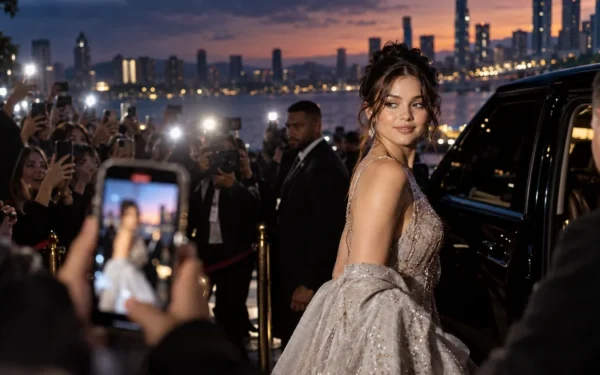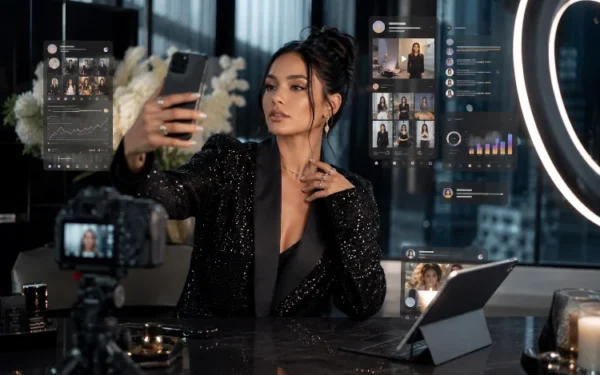

How Public Image Management Has Changed in Digital Celebrity Culture
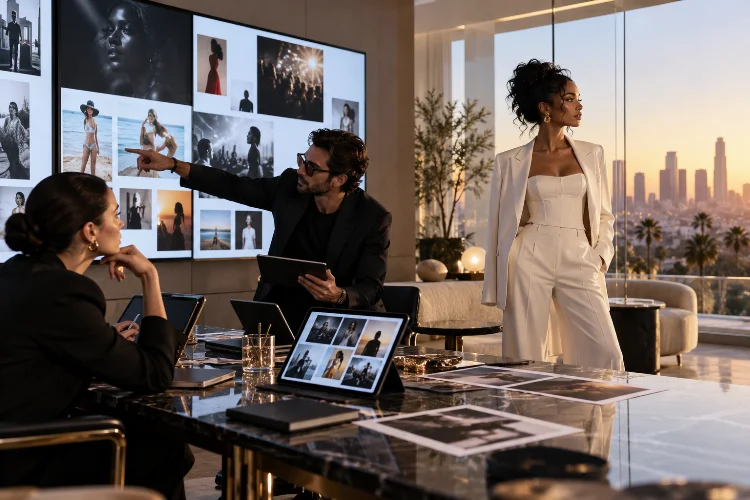
A few decades ago, managing a celebrity’s public image was relatively controlled. Interviews were scheduled, magazine profiles were negotiated, television appearances were prepared in advance, and publicists often acted as the main bridge between celebrities and their audiences.
Digital culture has completely changed that system.
Today, celebrities can speak directly to millions of people through Instagram, TikTok, YouTube, X, podcasts, and other platforms. At the same time, fans can screenshot old posts, analyze interviews, create viral clips, challenge statements, and reshape public narratives within hours.
That is why public image management in digital celebrity culture has become far more complicated. Celebrities now need to appear accessible without revealing too much, spontaneous without becoming careless, and authentic while still protecting a professional reputation.
Modern public relations is no longer only about getting positive magazine coverage. It involves continuous communication, social listening, brand consistency, crisis preparation, fan relationships, and understanding how quickly an online conversation can change direction.
Celebrity Image Was Once Much More Controlled
Traditional celebrity publicity depended heavily on gatekeepers.
Film studios, record labels, publicists, newspapers, television networks, and entertainment magazines played major roles in determining which stories reached audiences. A celebrity could certainly face scandals, but information generally moved more slowly.
That gave publicity teams time to prepare.
An official statement might be reviewed by managers, lawyers, and communications specialists before being released. Interviews could be carefully selected, while difficult topics might be avoided altogether.
That system never gave celebrities complete control, but it offered more separation between private life and public identity.
Today, that separation is much weaker.
A casual photo taken in a restaurant can become content. An old video can suddenly go viral. Someone attending the same event can upload footage before an official photographer has even published professional images.
Public image managment therefore happens in a much less predictable environment.
Social Media Turned Celebrities Into Their Own Media Channels
One of the biggest changes is that celebrities no longer need traditional media to communicate with audiences.
A musician can announce an album directly on Instagram. An actor can explain a controversy through a video. A celebrity can reveal a new business, relationship, or project without giving an exclusive interview to a magazine.
This creates enormous control over messaging.
But direct communication also removes some of the filters that once protected public figures from impulsive decisions.
Harvard Business Review distinguishes reputation from personal branding by explaining that reputation is how others perceive you, while personal branding involves intentionally shaping those perceptions. In digital celebrity culture, social media has made that process almost continuous.
Every caption, interview clip, comment, collaboration, and public response can contribute to the larger identity people associate with a celebrity.
The celebrity account is no longer simply promotional space. It is part of the brand itself.
Authenticity Has Replaced Perfect PR as the Ideal
Old-school celebrity publicity often aimed for polish.
The star looked glamorous, interviews were controlled, and mistakes were minimized. Digital audiences frequently expect something different: personality.
Behind-the-scenes videos, casual photos, jokes, personal stories, and imperfect moments can make famous people seem more relatable.
The New Balance Between Real and Strategic
The interesting part is that “authenticity” can still be carefully managed.
A casual-looking TikTok may have been planned by a social media team. A personal Instagram caption may have been reviewed by a publicist. Even supposedly spontaneous content can serve a larger communications strategy.
That is not necessarily dishonest.
Modern image management often means deciding which genuine parts of someone’s personality should be emphasized publicly.
The challenge is consistancy. When a celebrity’s highly polished brand suddenly conflicts with their visible behavior, fans may notice the difference quickly.
The goal is no longer to appear perfect. It is to appear believable.
Fans Now Participate in Building Celebrity Narratives
Publicists once had significant influence over celebrity narratives. Today, fans and online communities also play an enormous role.
Fan accounts archive interviews, analyze clothing, track friendships, compare old statements, create memes, and debate almost every public appearance.
That participation can strengthen a celebrity’s image.
Loyal communities frequently promote projects voluntarily, defend celebrities during criticism, and introduce their work to new audiences.
But the same communities can also challenge the official narrative.
Social media users may interpret a short interaction differently from a publicity team. An awkward interview moment can become a meme, while a forgotten statement may suddenly become the center of a much larger conversation.
This influence matters because people increasingly receive information through individual online personalities rather than only established media organizations.
Pew Research Center found in 2024 that 21% of U.S. adults regularly got news from social media news influencers.
Reuters Institute reported in 2026 that 27% of its global sample received information weekly from news creators, a category that can include news-adjacent actors, musicians, comedians, and other public personalities.
Celebrity narratives now develop inside a network rather than through one publicity channel.
Parasocial Relationships Make Reputation More Personal
Digital celebrity culture also creates stronger feelings of personal connection.
When people repeatedly watch someone’s Stories, livestreams, interviews, home videos, and daily updates, they may feel that they know that person.
Psychologists describe these one-sided connections as parasocial relationships. The American Psychological Association notes that repeated exposure and personal disclosure can create feelings of familiarity and intimacy with media personalities.
This can be extremely valuable for public figures.
A strong emotional connection can turn casual followers into loyal fans who support music, films, tours, products, or charitable campaigns.
However, it raises expectations.
If followers feel that a celebrity represents honesty, kindness, or certain values, behavior that contradicts that image can feel surprisingly personal.
This explains why online backlash can sometimes seem emotionally intense even when the audience has never met the celebrity involved.
Digital reputation depends partly on maintaining the trust created by that perceived closeness.
Crisis Management Now Happens in Real Time
A traditional PR crisis might once have developed over several newspaper editions or television news cycles.
Now it can explode during lunch.
A video can be uploaded, clipped, reposted, debated, and transformed into thousands of comments before a celebrity’s communications team has agreed on a response.
Recent research cited by Forbes found that 80% of surveyed consumers said social media was where they would hear about a brand crisis, while 84% said response speed affected how they perceived the brand during controversy.
Although the research focused on companies, the same real-time communication pressures are highly relevent to celebrity brands.
Speed, however, is not everything.
Responding before understanding what happened can make the situation worse. Waiting too long can allow rumors or competing interpretations to dominate.
Modern crisis communication therefore requires monitoring, verification, legal awareness, and quick decision-making at the same time.
Sometimes the smartest response is a detailed explanation. Sometimes it is a short correction. Occasionally, staying quiet temporarily is more effective than reacting emotionally.
There is no universal formula.
Brand Partnerships Make Reputation More Valuable
Celebrity public image has always had commercial value, but social media has made that relationship much more visible.
Famous people can now promote products directly to audiences rather than appearing only in traditional advertisements.
A celebrity with a trustworthy, recognizable digital identity may be especially attractive to brands because they offer both reach and audience connection.
That also creates responsibility.
The U.S. Federal Trade Commission states that influencers and endorsers should clearly disclose material relationships with brands, including financial relationships or free products. The disclosure should be easy for followers to notice and understand.
Transparency becomes part of reputation management.
If audiences believe a celebrity secretly promotes anything for money, trust can weaken. On the other hand, partnerships that naturally match someone’s public identity can reinforce their brand.
Public image therefore affects not only popularity but also sponsorships, business opportunities, licensing, and long-term earning power.
Old Posts Have Made Reputation Management Permanent
The internet rarely forgets.
Statements from ten years ago can return without warning. Deleted posts can survive in screenshots, archived pages, videos, and reposts.
This creates one of the biggest differences between traditional and digital celebrity culture.
In the past, an embarrassing interview might eventually disappear into an archive. Today, old material can become newly visible whenever audiences discover it.
That creates complicated questions about context.
People change. Language changes. Social norms change. Someone may genuinely no longer agree with something they said years earlier.
But social media tends to collapse different time periods together.
Publicists must therefore manage not only current visiblity but also digital history.
For celebrities with long careers, reputation management increasingly involves explaining evolution rather than pretending the past does not exist.
Publicists Have Not Disappeared—Their Job Has Expanded
Digital platforms sometimes create the impression that celebrities no longer need professional public relations.
The opposite is often true.
Publicists now have more channels to monitor, more potential crises to anticipate, and more audiences to understand.
They may coordinate traditional press interviews while also working with social media teams, brand managers, lawyers, stylists, agents, and digital marketing specialists.
They also need to understand that different platforms have different cultures.
A statement that works on Instagram may sound strangely formal on TikTok. A joke that succeeds on one platform may look inappropriate when removed from its original context elsewhere.
Modern celebrity PR therefore involves managing an ecosystem rather than a single public image.
The celebrity is simultaneously a performer, content creator, potential brand partner, employer, public personality, and sometimes business owner.
Every role influences the others.
Public image management has changed dramatically in digital celebrity culture.
The carefully controlled publicity systems of previous decades have been replaced by a faster environment where celebrities, fans, influencers, algorithms, brands, and traditional media all contribute to public perception.
Social media gives famous people more direct control over their voices, but it also creates greater scrutiny, permanent digital records, stronger parasocial relationships, and faster reputation crises.
Successful image management today is not about controlling every conversation. That is nearly impossible.
It is about building a recognizable identity, communicating consistently, responding intelligently when problems occur, and maintaining enough trust to survive imperfect moments.
The next time a celebrity story goes viral, look at how the narrative develops across different platforms. You may notice that managing fame today is almost as complex as becoming famous in the first place.
Ralated Posts