How Mobile Gaming Has Changed Modern Entertainment Forever
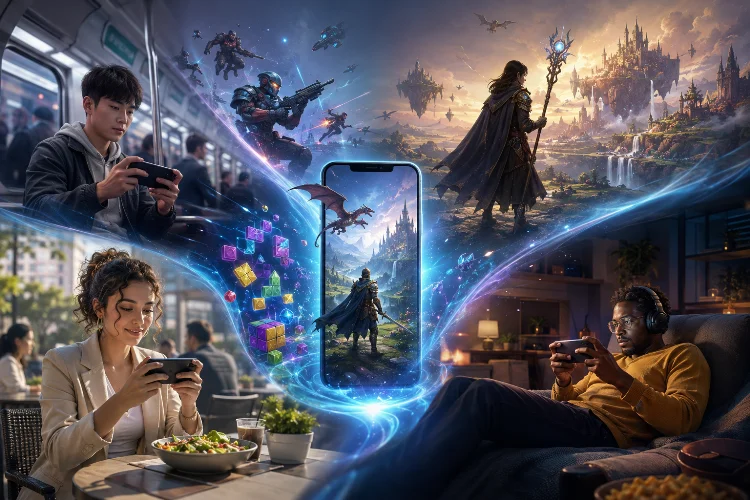
There was a time when playing a serious video game usually meant sitting in front of a television or computer for hours. Today, an entire gaming library can live inside the same device people use for messaging, shopping, watching videos, and checking social media.
That convenience has helped Mobile Gaming become an important part of modern entertainment. Games are no longer limited to dedicated gaming audiences or specific locations. People can solve puzzles while commuting, join multiplayer matches during a lunch break, or spend an evening exploring a detailed role-playing world from a smartphone.
The impact goes far beyond convenience. Mobile games have changed how entertainment is consumed, monetised, shared, and even designed. They have helped turn gaming from a specialised hobby into an everyday form of digital entertainment.
Mobile Gaming Made Games Available Almost Everywhere
Perhaps the biggest change mobile games introduced is accessibility.
Traditional gaming usually requires additional hardware such as a console, gaming PC, controller, or handheld system. Smartphone gaming removes much of that barrier because millions of people already carry a capable gaming device in their pocket.
This has allowed gaming to reach audiences that may never have considered buying dedicated gaming hardware. According to the Entertainment Software Association, 205.1 million Americans regularly played video games in its 2025 study, showing how mainstream gaming has become across different age groups.
Entertainment No Longer Needs a Fixed Schedule
Mobile entertainment also fits into small gaps in everyday life.
A player might spend five minutes completing a puzzle, fifteen minutes playing a competitive match, or an hour progressing through a strategy game. That flexibility makes gaming compete not only with consoles, but also with social media, short-form video, streaming services, and other digital activities.
Gaming has essentially become something people can start and stop whenever they want.
Smartphone Games Have Become Much More Sophisticated
Early phone games were usually simple because hardware limitations restricted what developers could build.
Modern smartphones are dramatically more powerful. Developers can now create detailed 3D environments, online multiplayer systems, complex physics, advanced lighting, voice communication, and large persistent worlds.
Games such as Genshin Impact, Call of Duty: Mobile, and PUBG Mobile helped demonstrate that smartphone gaming could offer experiences previously associated mainly with PCs and consoles.
This technical evolution has also changed consumer expectations. Players increasingly expect polished graphics, smooth performance, frequent updates, and deeper progression even from free-to-play titles.
Mobile Gaming Turned Entertainment Into an Ongoing Service
Another major change is that many games are no longer designed as products players simply finish.
They operate continuously.
Developers release seasonal events, new characters, challenges, limited-time rewards, story updates, and competitive modes. This approach is commonly known as LiveOps.
Sensor Tower describes LiveOps as a dominant mobile gaming business model focused on improving engagement, retention, and monetisation.
Games Can Stay Relevant for Years
Instead of releasing a completely new game every year, publishers can keep expanding an existing title.
That gives players reasons to return regularly and creates communities around games that may remain active for several years.
Sensor Tower reported that mobile gaming time spent increased around 8% and sessions increased 12% year over year in 2024, even while download growth became more challenging.
This suggests that keeping existing players entertained has become just as important as attracting new ones.
Gaming Has Become a Social Activity
Smartphone games are often described as casual entertainment, but many modern titles are highly social.
Players communicate through guilds, clans, voice chat, multiplayer teams, rankings, cooperative events, and competitive tournaments. Some relationships formed inside games continue through Discord, social media, streaming platforms, and real-world friendships.
Pew Research found that 72% of U.S. teens who play video games said spending time with other people was one reason they played. Nearly half said they had made a friend online through gaming.
These behaviours show why modern gaming is increasingly similar to a social platform.
For many players, the community surrounding a game can become almost as important as the gameplay itself.
Mobile Games Changed How Entertainment Makes Money
Mobile gaming also helped popularise new digital business models.
Instead of requiring everyone to purchase a game upfront, many titles are free to download. Revenue can come from advertising, optional items, subscriptions, cosmetic upgrades, battle passes, or virtual currencies.
This dramatically lowers the barrier to trying a new game.
Sensor Tower reported that consumer spending on mobile games reached roughly $81 billion in 2024, up 4% year over year.
The model has since influenced other entertainment industries as well. Regular subscriptions, digital upgrades, limited content drops, and recurring engagement have become familiar concepts across streaming, apps, and online communities.
Gaming Now Blends With Creator Culture
Modern games rarely exist only inside the game itself.
Popular titles generate YouTube videos, TikTok clips, livestreams, tutorials, memes, esports competitions, and influencer content.
A single game can therefore create several layers of entertainment.
Someone might never play a particular title but still watch professional tournaments or follow creators who produce content about it.
This creates a powerful feedback loop. Players generate content, that content attracts viewers, and viewers may eventually become new players.
Mobile gaming has therefore become increasingly connected to the broader creator economy.
Cross-Platform Play Is Removing Traditional Boundaries
The distinction between a mobile game and a PC game is also becoming less obvious.
Some titles allow players to use the same account across smartphones, tablets, and computers. Google Play Games on PC reached general availability in 2025, reflecting a broader industry push toward gaming experiences that move across devices.
Players increasingly expect their progress and digital identity to follow them wherever they play.
That expectation could eventually make the device itself less important than the gaming account and ecosystem.
Mobile Gaming Has Become a Major Entertainment Business
The financial scale of the market shows how far smartphone gaming has come.
Newzoo’s 2025 Global Games Market Report estimated mobile games would generate approximately $103 billion, representing around 55% of global games industry revenue for that year.
That scale means mobile titles are competing for consumer attention alongside movies, television, music, social platforms, and traditional video games.
It also explains why publishers, advertisers, technology companies, and entertainment brands continue investing heavily in mobile experiences.
Conclusion
Mobile Gaming has changed modern entertainment by making interactive experiences easier to access, more social, and available almost anywhere.
What started as simple entertainment on small screens has evolved into an ecosystem involving sophisticated games, online communities, creators, competitive events, subscriptions, advertising, and cross-platform experiences.
The most important shift is probably convenience. Entertainment no longer has to happen at a particular place or time.
As smartphones continue becoming more powerful and gaming ecosystems become more connected, mobile games are likely to influence even more areas of digital entertainment. Keep watching the space, because the next major entertainment format may already be sitting inside your phone.
Ralated Posts