

What Makes an Artist Develop a Unique Style?
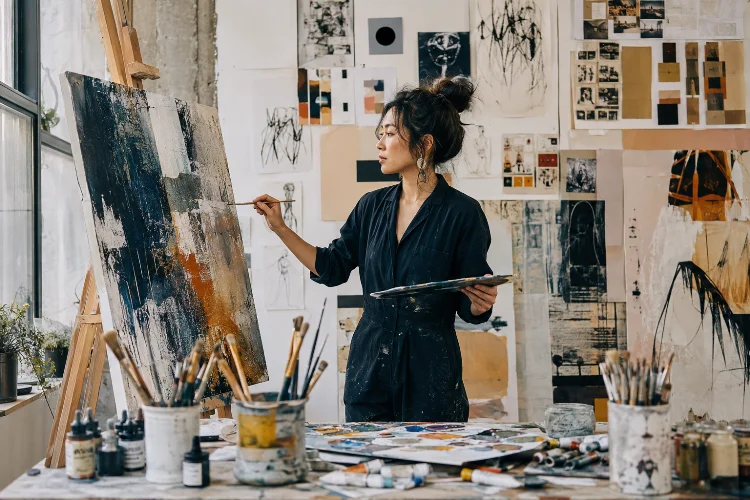
Some artworks are recognizable almost immediately. You might notice a particular use of color, an unusual brushstroke, a distinctive character design, or a certain way of arranging shapes and instantly think of one artist. That recognizable quality is what many creators spend years trying to develop.
But what actually makes an Artist Develop a Unique Style? It rarely appears overnight. Artistic identity usually grows through practice, experimentation, personal experiences, technical choices, cultural influences, and even mistakes. Artists absorb ideas from the world around them, test different approaches, and gradually discover which ones feel most natural.
Eventually, repeated creative decisions can form a visual language that audiences begin to recognize. Understanding this process can help emerging artists focus less on forcing originality and more on developing it naturally.
1. Personal Experience Shapes Artistic Identity
Every artist sees the world from a slightly different perspective.
Where someone grows up, the people they meet, their memories, interests, emotions, cultural background, and everyday surroundings can influence what they create. Two painters could work with identical materials and still produce completely different images because they interpret the subject through different experiences.
Modern art placed particularly strong emphasis on personal expression. MoMA explains that many modern artists began exploring their own thoughts, feelings, dreams, desires, and experiences instead of limiting themselves to traditionally accepted subjects.
This is why personal storytelling can become such an important ingredient in developing an artistic voice.
2. Experimentation Helps Artists Discover What Works
Few artists begin their careers already knowing exactly how their work should look.
They experiment.
A painter might test different brushes, surfaces, colors, or methods of applying paint. A digital illustrator might move between realistic portraits, cartoons, collage, 3D tools, and abstract compositions before finding an approach that feels comfortable.
MoMA describes experimentation as central to modern artistic practice, with artists treating studios almost like laboratories where painting, photography, sculpture, film, design, and performance become methods of exploration and discovery.
Mistakes Can Become Signature Techniques
Experiments do not always succeed, and that can actually be useful.
An unexpected texture, distorted shape, unusual color combination, or accidental mark might produce something more interesting than the original idea. Artists who remain curious can turn these discoveries into techniques they use repeatedly.
A unique style therefore does not necessarily come from avoiding mistakes. Sometimes it develops by noticing which “mistakes” are worth keeping.
3. Other Artists Provide Inspiration
Originality does not mean creating in complete isolation.
Nearly every artist learns by looking at the work of others. Museums, books, exhibitions, films, music, architecture, fashion, photography, street culture, and social media can all introduce new creative possibilities.
Paul Klee, for example, experimented with several styles and media during his career. The Metropolitan Museum of Art notes that his work was influenced by the Cubism of Pablo Picasso and Georges Braque as well as Robert Delaunay’s use of translucent color planes.
Influence becomes problematic only when an artist simply copies another person’s work. The creative challenge is to absorb ideas, combine them with different influences, and reinterpret them through personal experience.
4. Technique Becomes Part of the Signature
Style is not only about what an artist creates. It is also about how they create it.
Line, color, texture, composition, shape, proportion, lighting, brushwork, materials, and perspective can all contribute to a recognizable visual identity. The Getty identifies elements of art and principles of design as tools artists use when constructing compositions.
Consider the Impressionists.
Artists associated with Impressionism became known for techniques including short, broken brushstrokes, relatively pure colors, and a strong interest in changing light. The Metropolitan Museum of Art highlights these characteristics when discussing works such as Claude Monet’s Impression, Sunrise.
An individual artist may gradually develop similar recurring technical choices that become part of their signature.
5. Repetition Builds Recognition
Experimentation is important, but style also requires repetition.
When artists repeatedly return to certain subjects, colors, techniques, shapes, or themes, patterns begin to appear across their work. Those patterns make their creative identity easier to recognize.
For example, an illustrator might repeatedly use exaggerated eyes and limited color palettes. A photographer could become known for dramatic shadows and minimalist compositions. A painter might constantly explore the same landscape using different seasons and lighting conditions.
Repetition does not mean producing the same artwork again and again. Think of it more like musicians developing a recognizable sound. Individual songs can be different while still clearly belonging to the same artist.
6. Cultural Influences Can Transform Artistic Style
Artists are also influenced by the cultures, traditions, and visual languages they encounter.
One famous example can be found in the development of European modern art. The Metropolitan Museum of Art documents how African aesthetics influenced artists including Pablo Picasso and Henri Matisse. Picasso’s Les Demoiselles d’Avignon, in particular, shows influences from African and Oceanic art alongside other artistic sources.
This demonstrates how artistic styles can emerge from unexpected combinations.
Contemporary creators have access to an even wider range of influences through international travel, digital platforms, movies, games, global fashion, and online communities. The challenge is using those influences thoughtfully rather than simply reproducing them.
7. Style Changes as the Artist Changes
Finding a recognizable style does not mean an artist needs to keep it forever.
Pablo Picasso is an obvious example. His career included dramatically different periods and approaches, and his exchange of ideas with other artists contributed to major developments such as Cubism.
Creative evolution is normal.
An artist may become interested in new materials, experience major life changes, discover different cultures, adopt new technologies, or simply become bored with an established technique.
A strong artistic identity should therefore provide direction without becoming a creative prison.
8. Confidence Makes a Style Feel Authentic
One of the hardest stages of becoming an artist is resisting the urge to constantly compare your work with everyone else’s.
Trends can be useful sources of inspiration, especially online, but following every popular aesthetic can make an artist’s portfolio feel inconsistent.
Developing confidence allows creators to make choices because those decisions support their ideas—not simply because they are fashionable.
The process takes time. Rather than asking, “What style should I have?”, emerging artists may benefit more from asking, “What do I genuinely enjoy making?”
Repeated answers to that question can gradually reveal a distinctive creative direction.
Understanding what makes an Artist Develop a Unique Style means recognizing that originality is usually a process rather than a sudden breakthrough. Personal experiences, creative influences, experimentation, technical skills, repetition, cultural exposure, and confidence all contribute to an artist’s evolving visual language.
The most memorable artists are not necessarily those who completely ignore outside influences. They are often the ones who transform those influences into something personal.
So keep creating, experimenting, and studying different forms of art.
Ralated Posts